Introduction
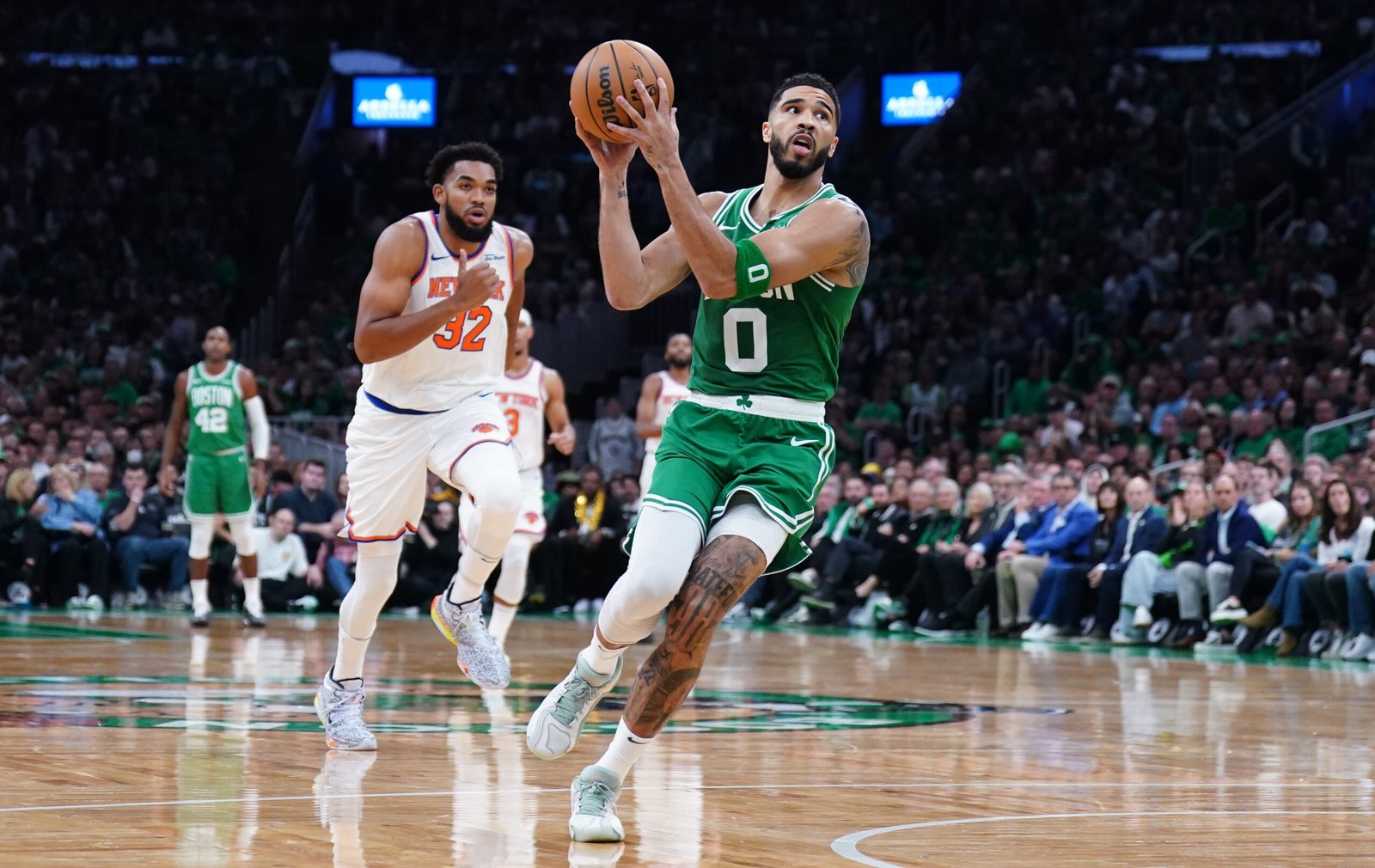
The New York Knicks vs Boston Celtics rivalry is one of the most historic and emotionally charged matchups in NBA history. Spanning decades, this rivalry is built on physical basketball, passionate fan bases, and playoff-defining moments. When analyzing Knicks vs Boston Celtics match player stats, the numbers reveal not just individual performances but also the intensity, strategy, and momentum swings that define this classic Eastern Conference showdown.
Game Overview and Competitive Context
Every Knicks vs Boston Celtics Match Player Stats game carries weight, whether it is a regular-season battle or a postseason clash. Both teams enter these matchups with a clear understanding of each other’s strengths and tendencies. Player stats from these games often reflect heightened effort, tighter rotations, and increased defensive focus, making the statistical breakdown more meaningful than in standard matchups.
Knicks Offensive Performance Breakdown
The Knicks vs Boston Celtics Match Player Stats’ offensive output is typically built on physical drives, ball movement, and efficient shot selection. In this matchup, Knicks player stats highlighted a balanced scoring approach, with multiple players contributing double-digit points. Field goal percentage and points in the paint illustrated how New York attacked Boston’s defense through aggressive penetration and mid-range opportunities.
Celtics Offensive Execution and Scoring Efficiency
Knicks vs Boston Celtics Match Player Stats offense emphasized spacing, perimeter shooting, and quick decision-making. Celtics player stats reflected strong three-point attempts and efficient ball movement, leading to high assist totals. Scoring efficiency, especially from beyond the arc, played a major role in Boston’s ability to stretch the Knicks’ defense and create open looks throughout the game.
Star Player Scoring Impact
Star players on both sides delivered standout performances that shaped the game’s narrative. Knicks stars demonstrated physical scoring and composure under pressure, reflected in points scored during crucial stretches. Celtics stars countered with shot-making versatility and leadership, with their scoring efficiency and plus-minus ratings highlighting their influence on both ends of the floor.
Point Guard Play and Game Control
Point guard performance played a vital role in dictating tempo. Knicks point guards focused on controlling pace, limiting turnovers, and facilitating half-court sets. Assist-to-turnover ratio reflected disciplined playmaking. Boston’s point guards emphasized ball movement and transition offense, with assists and fast-break points showcasing their ability to exploit defensive gaps.
Shooting Guards and Perimeter Production
Shooting guard stats highlighted perimeter scoring and defensive responsibilities. Knicks shooting guards contributed through catch-and-shoot opportunities and defensive pressure on the perimeter. Celtics shooting guards provided consistent outside scoring, with three-point shooting percentage demonstrating their ability to capitalize on open looks created by ball movement.
Small Forward Versatility and Two-Way Impact
Small forwards played a critical two-way role in this matchup. Knicks vs Boston Celtics Match Player Statssmall forwards showcased defensive toughness, rebounding, and timely scoring. Celtics small forwards demonstrated versatility through scoring, playmaking, and defensive switches. Their stat lines often reflected contributions across points, rebounds, and assists, emphasizing their all-around impact.
Power Forward Physicality and Interior Scoring
Power forwards brought physicality and rebounding intensity. Knicks vs Boston Celtics Match Player Stats power forwards focused on interior scoring and second-chance points, reflected in offensive rebound totals. Celtics power forwards balanced floor spacing with interior defense, contributing both inside scoring and perimeter shooting. Rebounding numbers and paint points illustrated the battle for physical dominance.
Center Matchup and Paint Control
The center position was pivotal in controlling the paint. Knicks centers emphasized rim protection and post scoring, with block totals and defensive rebounds highlighting their impact. Celtics centers contributed through efficient finishing, screen-setting, and defensive positioning. Points in the paint and rebounding stats showed how each team attempted to establish interior control. Rebounding was a defining statistical category. The Knicks prioritized offensive rebounds to generate second-chance points, reflected in their offensive rebounding numbers. Boston focused on defensive rebounding to ignite transition offense.
Defensive Intensity and Steal Statistics
Defensive effort was evident throughout the game. Knicks vs Boston Celtics Match Player Stats defenders applied physical pressure, resulting in steals and forced turnovers. Celtics defenders relied on anticipation and help defense, contributing steals and deflections. Turnover numbers highlighted which team better disrupted offensive rhythm. Shot-blocking stats reflected the presence of interior defense. Knicks shot blockers altered shots and discouraged drives, as seen in block totals and contested shots. Celtics rim protectors responded with timely blocks and defensive positioning, limiting easy scoring opportunities in the paint.
Turnovers and Momentum Swings
Turnovers played a significant role in momentum shifts. Knicks vs Boston Celtics Match Player Stats turnovers often came from aggressive drives and tight defensive pressure. Celtics turnovers resulted from forced passes and defensive traps. Turnover differential directly influenced fast-break points and scoring runs for both teams. Three-point shooting was a major statistical contrast. The Celtics’ reliance on perimeter shooting was reflected in high three-point attempts and makes. Knicks three-point stats showed selective shooting focused on efficiency rather than volume. The three-point percentage gap often explained scoring runs and momentum changes.
Free Throw Efficiency and Fouls Drawn
Free throw stats highlighted physical play and discipline. Knicks players drew fouls through aggressive drives, resulting in frequent trips to the line. Celtics free throw efficiency demonstrated composure under pressure. Free throw attempts and percentages impacted close-game scoring margins. Bench player stats revealed the importance of depth. Knicks bench players provided energy, defense, and timely scoring. Knicks vs Boston Celtics Match Player Stats bench units contributed shooting and ball movement, maintaining offensive flow when starters rested. Bench scoring totals showed which team benefited more from rotational depth.
Coaching Strategy Reflected in Player Usage
Player usage patterns reflected coaching adjustments. Knicks vs Boston Celtics Match Player Stats coaches emphasized physical lineups and defensive matchups, evident in minutes distribution. Celtics coaches relied on spacing-oriented lineups, reflected in three-point-heavy rotations. Player minutes and lineup efficiency illustrated tactical decisions throughout the game. Clutch-time stats revealed composure and execution. Knicks players focused on high-percentage shots and defensive stops in late-game situations. Celtics players leaned on perimeter shooting and ball movement. Points scored, assists, and defensive stops in the final minutes highlighted which players rose under pressure.
Team Statistical Comparison
Comparing total points, shooting percentages, rebounds, assists, and turnovers provided a complete view of the game. Often, small differences in efficiency or rebounding determined the outcome. The overall stat comparison underscored how evenly matched these rivals remain. Historically, Knicks vs Boston Celtics Match Player Stats reflect physical defense, disciplined offense, and playoff-level intensity. Many legendary performances in NBA history have come from this rivalry. Modern stat lines continue to echo the same themes of toughness and execution.
Impact on Season Standings and Confidence
The outcome of this matchup often carries implications beyond one game. Player performances influence confidence, rotations, and momentum for upcoming games. Stat trends from Knicks vs Boston Celtics Match Player Stats matchups frequently shape coaching decisions for future encounters. High-profile player stats from this rivalry attract media attention and fan discussion. Every standout performance becomes part of the ongoing narrative between New York and Boston. Statistical breakdowns help fans and analysts understand why certain players dominated key moments.
Conclusion
The Knicks vs Boston Celtics Match Player Stats provide a detailed picture of effort, strategy, and execution. From star performances and bench contributions to defensive intensity and clutch play, every number tells a story. This matchup continues to represent the essence of competitive basketball, where stats are not just numbers but reflections of one of the NBA’s greatest rivalries.
You May Also Read: Texans vs Baltimore Ravens Match Player Stats
