Introduction
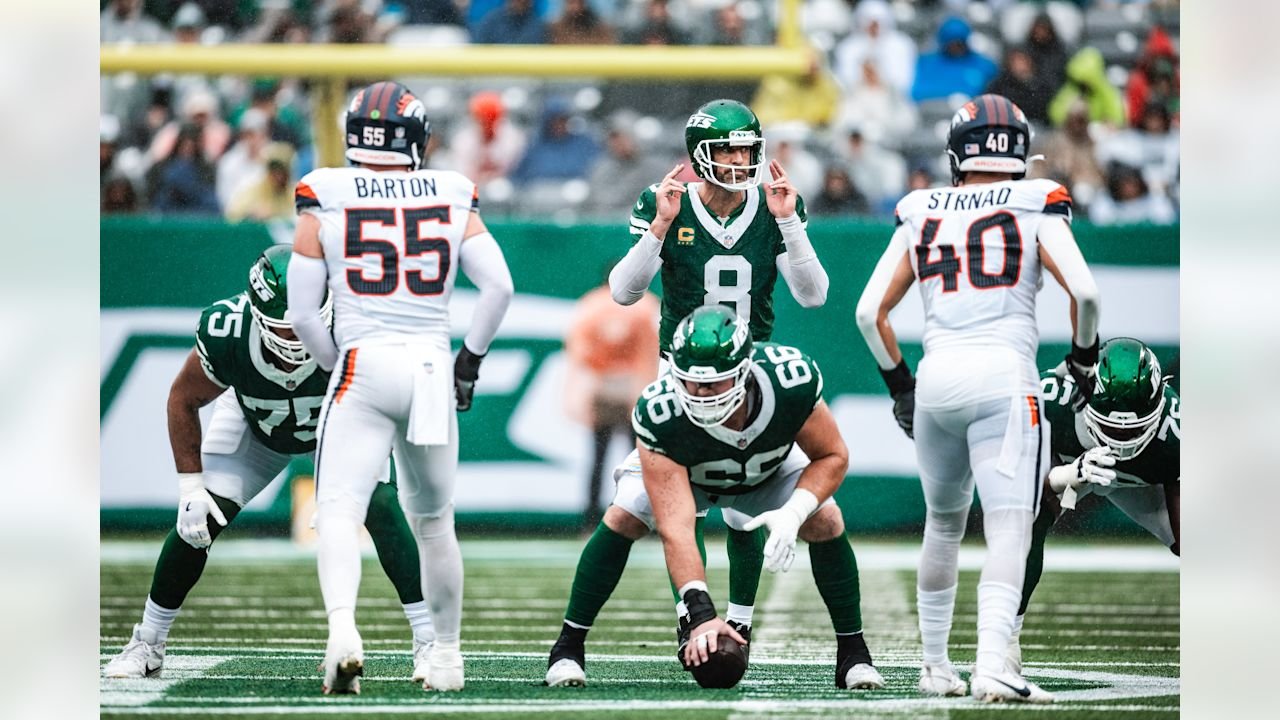
The Denver Broncos vs New York Jets Match Player Stats entered this matchup against the New York Jets with a clear intention to showcase progress, discipline, and execution. After weeks of refining their offensive rhythm and strengthening defensive communication, Denver approached the contest with confidence. From the opening kickoff, the Broncos demonstrated a commitment to balance, combining controlled passing concepts with a physical rushing attack that aimed to dictate tempo and wear down the Jets’ defensive front. Statistically, Denver’s early drives reflected an offense operating with purpose. The quarterback distributed the football to multiple targets, keeping the Jets’ secondary guessing and preventing defensive predictability.
New York Jets Seek Redemption and Consistency
The Denver Broncos vs New York Jets Match Player Stats entered the game focused on consistency and execution. With a talented defensive unit and a young offense striving for cohesion, the Jets emphasized ball security and efficient drives. Their coaching staff designed a game plan centered around establishing the run early, utilizing short-to-intermediate passing routes, and relying on defensive pressure to disrupt Denver’s offensive timing. From the outset, the Jets looked determined to match Denver’s physicality. Their offense aimed to control the clock, while the defense focused on forcing third-and-long situations and limiting explosive plays.
Opening Quarter Sets the Tone
The first quarter featured a feeling-out process as both teams tested each other’s schemes. Denver Broncos vs New York Jets Match Player Stats accumulated approximately 105 total yards in the opening frame, leaning slightly toward the passing game. Their quarterback completed nearly 70 percent of his attempts, connecting with a mix of wide receivers and tight ends. New York responded with around 90 total yards, emphasizing the ground game. Their primary running back found success between the tackles, averaging close to five yards per carry. The Jets’ quarterback also made a few timely completions to sustain drives.
Second Quarter Momentum Shifts
The second quarter marked a turning point as Denver Broncos vs New York Jets Match Player Stats offense found a consistent rhythm. A methodical 75-yard drive culminated in a passing touchdown, pushing the Broncos ahead. Denver’s quarterback showcased poise in the pocket, completing several third-down conversions. New York answered with a balanced scoring drive of its own. A combination of short passes and power runs led to a red-zone touchdown, keeping the game close. However, Denver responded quickly with a field goal, regaining momentum before halftime.
Halftime Statistical Overview
By halftime, Denver Broncos vs New York Jets Match Player Stats had compiled roughly 245 total yards, with about 155 coming through the air and 90 on the ground. The Broncos’ quarterback had thrown for two touchdowns with no interceptions. The Jets recorded approximately 220 total yards, split evenly between passing and rushing. Their quarterback had one passing touchdown, while the rushing attack contributed steady yardage but no scores.
Third Quarter Adjustments and Execution
Denver Broncos vs New York Jets Match Player Stats opened the second half emphasizing clock control and ball security. The Broncos’ running backs became more involved, combining for multiple first-down runs that extended drives. A long touchdown drive early in the third quarter increased Denver’s lead and showcased their ability to sustain possessions. New York attempted to counter with a faster tempo, incorporating no-huddle formations and quick passes. This approach resulted in a field goal, narrowing the deficit and keeping the Jets within striking distance.
Fourth Quarter Pressure and Poise
The final quarter was defined by urgency on both sides. Denver focused on protecting the football and forcing New York to expend time on each possession. A late field goal by the Broncos extended their advantage. The Jets mounted a late drive highlighted by sharp passing and strong protection. They reached the red zone and scored a touchdown, bringing the game within one possession. However, Denver recovered the ensuing onside kick attempt, sealing the outcome. Denver’s quarterback finished the game with approximately 295 passing yards, three touchdowns, and zero interceptions. His completion percentage hovered around 72 percent, reflecting efficient decision-making and accuracy. He also added nearly 25 rushing yards on scrambles, extending drives and keeping plays alive.
New York Jets Quarterback Performance
The Denver Broncos vs New York Jets Match Player Stats’ quarterback threw for around 260 yards, two touchdowns, and one interception. He displayed composure under pressure and made several difficult throws into tight coverage. The interception, however, came at a critical moment in the third quarter and halted a promising drive. Denver’s top wide receiver recorded roughly 115 receiving yards and a touchdown, consistently winning on intermediate routes. A second receiver added around 80 yards and another score. The tight end contributed approximately 60 yards and was a reliable red-zone target.
Receiving Leaders for New York
The Denver Broncos vs New York Jets Match Player Stats’ leading receiver posted close to 110 yards and a touchdown. Another wideout added 70 yards, while the tight end chipped in with 50 yards and a red-zone score. Denver’s rushing unit totaled about 140 yards. Their primary running back carried the ball 23 times for approximately 100 yards, while a secondary back added 40 yards. New York rushed for roughly 125 yards. Their lead back accounted for nearly 85 yards, while quarterback scrambles added valuable production.
Denver Defensive Standouts
Denver Broncos vs New York Jets Match Player Stats defense recorded five sacks and forced two turnovers. A linebacker led the team with 12 tackles, while a cornerback secured an interception and a pass breakup. The defensive line consistently pressured the quarterback, disrupting New York’s passing rhythm. The Jets’ defense tallied four sacks and forced one fumble. A defensive end recorded two sacks and multiple quarterback hits. Their secondary limited deep completions and forced Denver to rely on sustained drives rather than explosive plays.
Turnover Battle
Denver Broncos vs New York Jets Match Player Stats won the turnover battle 2-1, converting one takeaway into a touchdown. Denver converted approximately 55 percent of third-down attempts. New York converted around 44 percent. Denver scored touchdowns on three of four red-zone trips. The Jets converted two of three red-zone opportunities. Denver controlled the ball for about 33 minutes, while New York held possession for roughly 27 minutes.
Special Teams Impact
Denver Broncos vs New York Jets Match Player Stats was perfect on extra points and converted two field goals. New York’s kicker made all extra points and one field goal. Denver averaged approximately 6.3 yards per play compared to New York’s 5.7. The Broncos also posted a higher success rate on early downs. The Broncos’ numbers illustrate a balanced and disciplined performance. Efficient quarterback play, a productive rushing attack, and timely defensive plays were key to their success.
What the Stats Reveal About New York
The Denver Broncos vs New York Jets Match Player Stats showed resilience and flashes of offensive potential but struggled with consistency and costly mistakes at critical moments. Denver’s third-quarter interception, which set up a short-field touchdown, proved to be the game’s defining moment. Denver led in total yards, passing efficiency, and turnover margin. New York remained competitive in rushing and red-zone efficiency but could not overcome key errors.
Conclusion
The Denver Broncos vs New York Jets Match Player Stats highlight a closely contested battle defined by execution, efficiency, and momentum swings. Denver’s ability to capitalize on opportunities and avoid critical mistakes ultimately made the difference. The Jets demonstrated promise and competitiveness, but the statistical edge belonged to Denver, reflecting a well-rounded team performance built on discipline and smart football.
You May Also Read: Dallas Cowboys vs Chicago Bears Match Player Stats
