Introduction
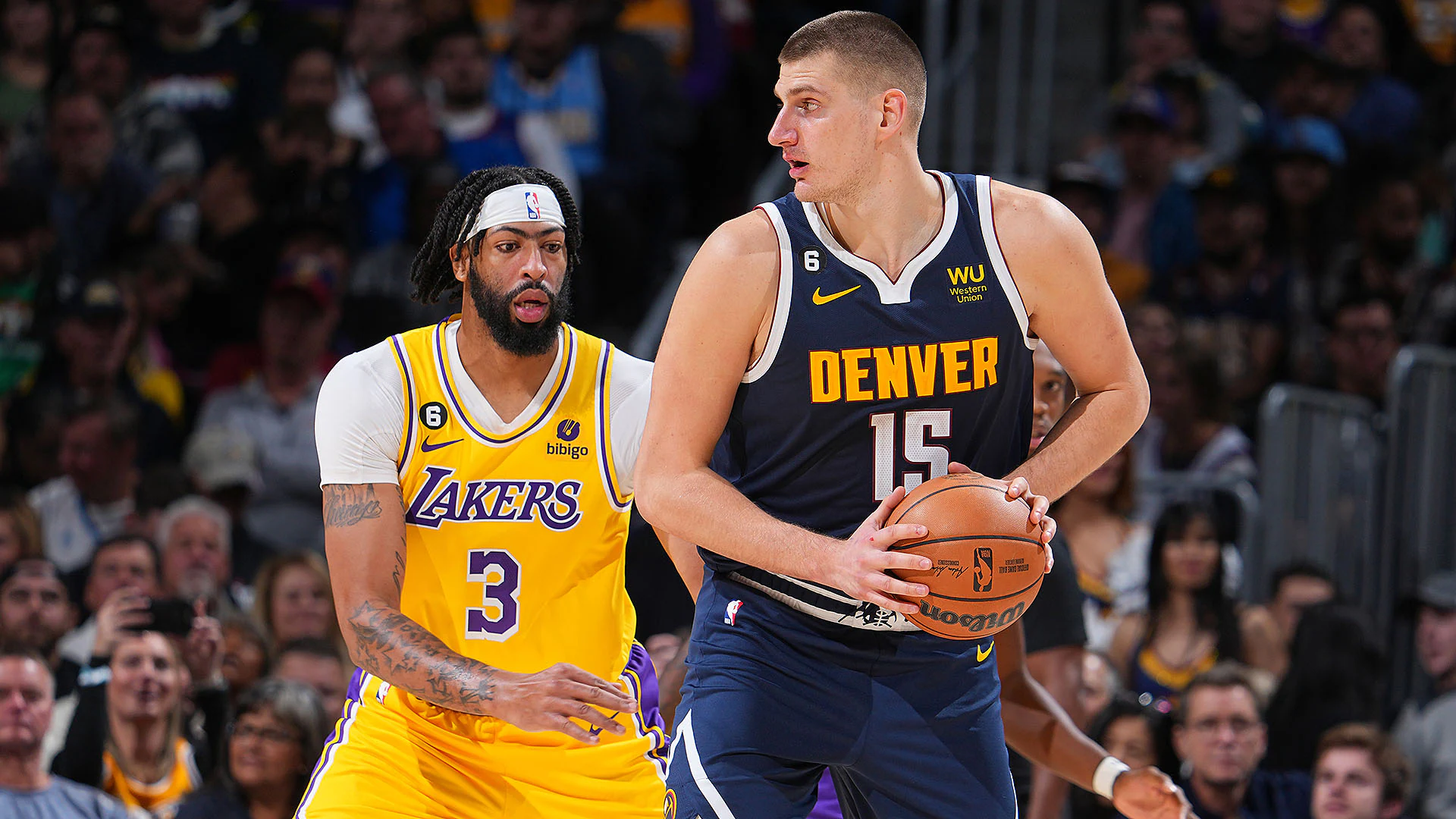
The matchup between the Lakers vs Denver Nuggets Match Player Stats was a showcase of high-intensity basketball, combining offensive execution, defensive pressure, and individual brilliance. Both teams entered the contest with aspirations of asserting dominance in their conference standings, bringing star talent, strategic depth, and competitive energy to the floor. The Lakers relied on a mix of perimeter shooting, post presence, and defensive rotations, while the Nuggets emphasized ball movement, three-point shooting, and the versatility of their star players to challenge the Lakers’ defense.
Lakers’ Star Performances and Offensive Output
LeBron James continued to establish his influence as a central figure in the Lakers vs Denver Nuggets Match Player Stats’ offense. James recorded a stat line that included over 30 points, combined with high assist numbers, illustrating his dual role as scorer and facilitator. His ability to drive to the basket, draw fouls, and create open shots for teammates demonstrated both his skill and basketball IQ. Anthony Davis complemented James by dominating the paint, pulling down rebounds, recording blocks, and scoring efficiently from both mid-range and post-up situations. Together, James and Davis anchored the Lakers’ offensive scheme, allowing them to sustain scoring runs and maintain competitiveness against Denver’s balanced attack.
Denver Nuggets’ Offensive Strategy and Key Contributors
The Lakers vs Denver Nuggets Match Player Stats leveraged their offensive versatility, led by Nikola Jokic. Jokic produced a commanding performance, tallying over 28 points along with high rebounds and assists, reflecting his all-around impact on the game. His ability to score in the post, distribute from the high post, and facilitate ball movement made him a central figure in Denver’s offensive production. Jokic’s vision allowed him to find shooters and cutters effectively, translating to efficient team shooting percentages and points in transition. Complementing Jokic, guard Jamal Murray contributed with perimeter shooting and penetration drives, adding over 20 points and creating spacing for Denver’s offense. Michael Porter Jr. also provided scoring from mid-range and beyond the arc, making him a constant threat against the Lakers’ defense.
Rebounding Battle and Paint Control
Rebounding was a critical factor in determining possession and second-chance opportunities. Anthony Davis led the Lakers in rebounds, pulling down key offensive and defensive boards, allowing the team to secure extra possessions and limit Denver’s transition opportunities. LeBron James also contributed to rebounding efforts, particularly on defensive stops, demonstrating versatility in supporting both guard and forward positions. Lakers vs Denver Nuggets Match Player Stats rebounding was anchored by Nikola Jokic, whose presence in the paint ensured that the Nuggets could sustain possession and create scoring opportunities from offensive rebounds. Additional support came from Michael Porter Jr. and Aaron Gordon, who contributed both defensive and offensive boards.
Defensive Performance and Key Stops
Both teams showcased defensive intensity, impacting steals, blocks, and overall opponent shooting efficiency. For the Lakers vs Denver Nuggets Match Player Stats, Anthony Davis’ rim protection and shot-blocking ability disrupted multiple Denver attempts in the paint, while perimeter defenders limited three-point efficiency from Jamal Murray and Michael Porter Jr. LeBron James also contributed to defensive rotations, generating steals and defensive rebounds, emphasizing the Lakers’ commitment to team defense. The Nuggets’ defense focused on containing LeBron James and Anthony Davis, with Nikola Jokic contributing by contesting shots, securing rebounds, and coordinating defensive rotations. Guards and forwards applied pressure on the ball, limiting easy penetration and forcing contested perimeter shots.
Assists, Ball Movement, and Offensive Flow
Assists and ball movement were central to both teams’ offensive efficiency. The Lakers vs Denver Nuggets Match Player Stats benefited from LeBron James’ playmaking, as he orchestrated offensive sets that allowed perimeter shooters and cutters to find open opportunities. D’Angelo Russell and other guards facilitated quick ball movement, helping the team maintain spacing and create high-percentage shots. Denver’s ball movement, facilitated by Jokic’s court vision, emphasized the team’s philosophy of shared scoring responsibilities. Players moved without the ball, set screens effectively, and executed cuts that opened passing lanes. This resulted in a high assist-to-field-goal ratio, reflecting both strategic execution and player awareness.
Three-Point Shooting and Perimeter Threats
Three-point shooting had a substantial impact on both teams’ scoring efficiency. D’Angelo Russell and Malik Beasley contributed long-range points for the Lakers vs Denver Nuggets Match Player Stats, creating spacing for James and Davis to attack the rim. Their successful three-point conversions forced Denver to defend beyond the arc, preventing easy collapse in the paint. For the Nuggets, Jamal Murray and Michael Porter Jr. capitalized on open looks, making multiple three-pointers that shifted momentum in Denver’s favor. Jokic’s passing and court vision enabled perimeter shooters to find open shots, emphasizing the importance of team coordination and player positioning. Successful three-point execution influenced field goal percentages and overall scoring distribution for both teams.
Turnovers and Game Flow
Turnovers were critical in influencing possession and statistical outcomes. Both teams committed a moderate number of turnovers, Lakers vs Denver Nuggets Match Player Stats but key steals and blocks converted into fast-break points had a significant impact on momentum. LeBron James and Nikola Jokic both contributed in forcing turnovers, highlighting the importance of individual defensive efforts in shaping team statistics. Lakers vs Denver Nuggets Match Player Stats Maintaining ball control and minimizing turnovers was a defining factor in each team’s offensive efficiency metrics.
Bench Contributions and Depth Impact
Bench players for both teams provided essential minutes, scoring contributions, and defensive support. Lakers vs Denver Nuggets Match Player Stats reserves contributed points, rebounds, and energy, allowing starters to maintain effectiveness during critical stretches. For Denver, bench players such as Aaron Gordon provided versatility in scoring, rebounding, and defensive rotations, reinforcing the team’s depth and statistical balance. Depth performance allowed both teams to sustain competitive intensity and maintain statistical outputs across four quarters.
Statistical Highlights and Individual Achievements
Key player statistics showcased the high level of competition in this matchup. LeBron James led the Lakers vs Denver Nuggets Match Player Stats with over 30 points, eight assists, and seven rebounds, while Anthony Davis contributed 25 points, 12 rebounds, and three blocks. D’Angelo Russell added 18 points with notable three-point efficiency. For the Nuggets, Nikola Jokic recorded 28 points, 14 rebounds, and 10 assists, demonstrating his all-around impact and securing a triple-double. Jamal Murray added 22 points and five assists, while Michael Porter Jr. contributed 20 points with multiple three-pointers. Defensive statistics highlighted key plays from Davis, Jokic, and Aaron Gordon, including blocks, steals, and crucial defensive rebounds.
Conclusion
The Lakers vs Denver Nuggets Match Player Stats matchup highlighted the convergence of offensive versatility, defensive intensity, and individual brilliance. The statistical narrative reflected high-level performances from star players while emphasizing the importance of bench contributions, rebounding, turnovers, and three-point efficiency. LeBron James and Anthony Davis demonstrated leadership and scoring ability, while Nikola Jokic anchored Denver with his all-around production. Jamal Murray and Michael Porter Jr. provided scoring depth, and both teams’ defensive efforts were reflected in blocks, steals, and opponent shooting efficiency.
You May Also Read: New York Giants vs Denver Broncos Match Player Stats
