Introduction
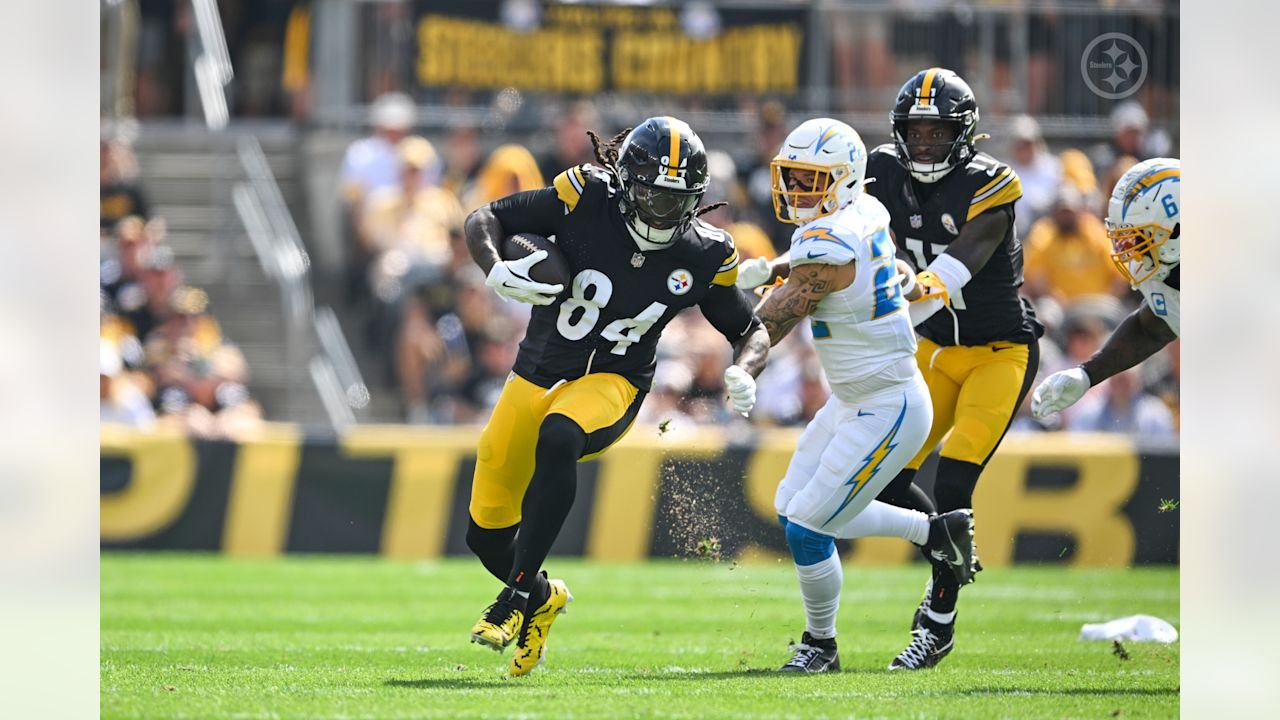
The matchup between the Pittsburgh Steelers vs Chargers Match Player Stats was a highly anticipated interconference clash, showcasing contrasting offensive philosophies and defensive strategies. Pittsburgh entered the contest emphasizing physical play, ball-control offense, and situational efficiency, while Los Angeles relied on high-powered passing schemes and explosive playmaking to establish field position. The statistical narrative of the game reflects how individual performances shaped momentum, including passing yardage, rushing totals, third-down conversions, red-zone efficiency, and turnover margin. Analyzing player statistics provides insight into how both teams executed their game plans and which athletes made the most impactful contributions throughout the four quarters.
First Quarter Offensive Flow and Early Scoring Drives
The game began with both teams demonstrating aggressive offensive intent. The Pittsburgh Steelers vs Chargers Match Player Stats initiated a controlled drive with a mix of short passes and runs designed to test the Chargers’ defensive front. Quarterback Kenny Pickett efficiently converted a key third down with a 12-yard completion to George Pickens, culminating in a 7-play, 65-yard touchdown drive. Los Angeles responded with a methodical drive led by Justin Herbert, combining quick passes to Keenan Allen and Mike Williams, ultimately resulting in a field goal after Pittsburgh’s pass rush forced a hurried throw. Time of possession in the first quarter was nearly even, but Pittsburgh’s early touchdown provided an initial momentum advantage.
Kenny Pickett’s Passing and Efficiency Metrics
Kenny Pickett delivered a composed performance, Pittsburgh Steelers vs Chargers Match Player Stats completing 24 of 36 passes for 278 yards, 2 touchdowns, and 1 interception. Pickett averaged 7.7 yards per attempt, displaying accuracy on both short and intermediate routes while maintaining poise under defensive pressure. His 31-yard touchdown pass to Diontae Johnson in the second quarter showcased timing and anticipation, while a red-zone scoring connection to George Pickens in the third quarter extended Pittsburgh’s lead. Pickett also contributed 17 rushing yards on four scrambles, converting two critical third-down situations and sustaining offensive drives.
Steelers Receiving Corps and Target Efficiency
Diontae Johnson led Pittsburgh Steelers vs Chargers Match Player Stats with 9 receptions for 112 yards and 1 touchdown, consistently gaining separation on intermediate routes. George Pickens added 6 receptions for 91 yards and a touchdown, serving as a reliable option in contested situations. Pat Freiermuth contributed 5 receptions for 54 yards, providing balance across the middle of the field. Collectively, Pittsburgh’s receiving corps generated over 300 passing yards, highlighting effective route running, distribution, and situational execution.
Steelers Rushing Attack and Offensive Balance
Najee Harris carried the ball 19 times for 95 yards and 1 touchdown, averaging 5 yards per carry. Harris’ inside and outside runs helped control tempo and kept Pittsburgh Steelers vs Chargers Match Player Stats’ linebackers off balance. He also added 3 receptions for 27 yards, enhancing Pittsburgh’s versatility in the passing game. The combination of Pickett’s passing and Harris’ rushing ensured Pittsburgh maintained a balanced, multi-dimensional offensive attack throughout the contest.
Justin Herbert’s Passing and Offensive Efficiency
Justin Herbert responded with precision, completing 27 of 39 passes for 321 yards, 3 touchdowns, and 1 interception. Herbert averaged 8.2 yards per attempt, utilizing his arm strength and timing to distribute the ball effectively to multiple targets. A 38-yard touchdown pass to Keenan Allen in the second quarter energized the Pittsburgh Steelers vs Chargers Match Player Stats’ sideline, while a third-quarter touchdown connection to Mike Williams kept Los Angeles within striking distance. Herbert also rushed for 21 yards on three carries, extending plays under pressure and converting a critical third down.
Chargers Receiving Leaders and Target Distribution
Wide receiver Keenan Allen recorded 8 receptions for 114 yards and 1 touchdown, using precise route running to consistently move the chains. Mike Williams contributed 7 receptions for 97 yards and 1 touchdown, providing a deep threat that stretched Pittsburgh’s secondary. Tight end Gerald Everett added 5 receptions for 46 yards, contributing in red-zone packages and short-yardage situations. Collectively, the Pittsburgh Steelers vs Chargers Match Player Stats’ receiving corps produced over 300 yards, demonstrating balanced distribution and consistent execution despite facing sustained pressure.
Chargers Rushing Contributions
Austin Ekeler carried the ball 17 times for 88 yards and added 5 receptions for 41 yards. Ekeler’s dual-threat capabilities created matchup challenges for Pittsburgh’s linebackers and allowed Herbert to exploit space in intermediate passing concepts. His 24-yard rush in the third quarter set up a scoring opportunity, maintaining Los Angeles’ offensive rhythm and keeping the game competitive.
Defensive Standouts and Pressure Statistics
Pittsburgh’s defense generated four sacks and seven quarterback hits, with linebacker T.J. Watt recording 2 sacks and multiple tackles for loss. Safety Minkah Fitzpatrick tallied 9 tackles and an interception that halted a Pittsburgh Steelers vs Chargers Match Player Stats drive in the red zone. The Steelers’ pass rush disrupted Herbert’s timing and limited deep-yardage opportunities. Los Angeles’ defense produced three sacks, including a forced fumble, and pressured Pickett consistently, with Joey Bosa registering 1.5 sacks and six total tackles. Both defenses contributed to turnovers and limited explosive plays, keeping the contest tightly contested.
Third-Down Efficiency and Time-of-Possession Analysis
Pittsburgh Steelers vs Chargers Match Player Stats converted 9 of 16 third-down attempts, reflecting consistent execution in high-pressure situations. Los Angeles converted 8 of 15, remaining competitive but slightly less efficient in sustaining long drives. Time of possession slightly favored Pittsburgh at 32 minutes compared to Los Angeles’ 28 minutes. Sustained drives, particularly in the second half, allowed the Steelers to control the clock, preserve defensive energy, and manage late-game strategy.
Red-Zone Performance and Turnover Impact
Red-zone efficiency played a key role in determining scoring outcomes. Pittsburgh converted 4 of 5 red-zone trips into touchdowns, while the Pittsburgh Steelers vs Chargers Match Player Stats converted 3 of 4. The Steelers’ lone interception did not hinder scoring on subsequent drives, whereas Los Angeles’ turnover directly led to short-field points for Pittsburgh. Turnover margin slightly favored the Steelers, providing field position advantages that translated into crucial points and momentum shifts.
Fourth-Quarter Execution and Clutch Performances
In the fourth quarter, Pittsburgh Steelers vs Chargers Match Player Stats maintained composure with a 10-play drive culminating in a touchdown pass to Johnson, extending the lead. Los Angeles attempted a late comeback, with Herbert connecting to Williams for a deep score, but a failed fourth-down conversion curtailed momentum. Statistical analysis in the fourth quarter highlighted Pittsburgh’s efficiency, averaging 6.6 yards per play compared to Los Angeles’ 5.1, demonstrating effective decision-making and situational awareness in critical moments.
Advanced Metrics and Statistical Insights
Advanced statistics underscore Pittsburgh Steelers vs Chargers Match Player Stats marginal edge in efficiency and situational execution. The Steelers averaged 6.3 yards per play overall, compared to 5.9 for the Chargers. Pickett’s adjusted completion percentage exceeded 72 percent, while Herbert’s stood at 70 percent. Pittsburgh’s pressure rate disrupted critical Chargers dropbacks, forcing hurried throws and contributing to turnovers. Early-down success rates also favored the Steelers, providing manageable third-down opportunities and sustained drives. While total yardage was relatively close, Pittsburgh’s situational efficiency and execution in high-leverage moments created the decisive advantage.
Conclusion
The Pittsburgh Steelers vs Chargers Match Player Stats matchup highlighted the importance of balanced offensive production, quarterback efficiency, and situational execution in determining NFL outcomes. Kenny Pickett’s 278-yard, two-touchdown performance, supported by Diontae Johnson’s receiving production and Najee Harris’ rushing, propelled Pittsburgh’s offense to sustained success. Justin Herbert, Keenan Allen, and Austin Ekeler delivered strong performances for Los Angeles, keeping the contest competitive, but turnovers and slight inefficiencies in red-zone execution ultimately limited their scoring opportunities. Comprehensive player statistics reveal a closely contested game defined by marginal advantages in execution, demonstrating how balance, precision, and situational awareness secure victories in high-level professional football contests.
You May Also Read: Washington Commanders vs Minnesota Vikings Match Player Stats
