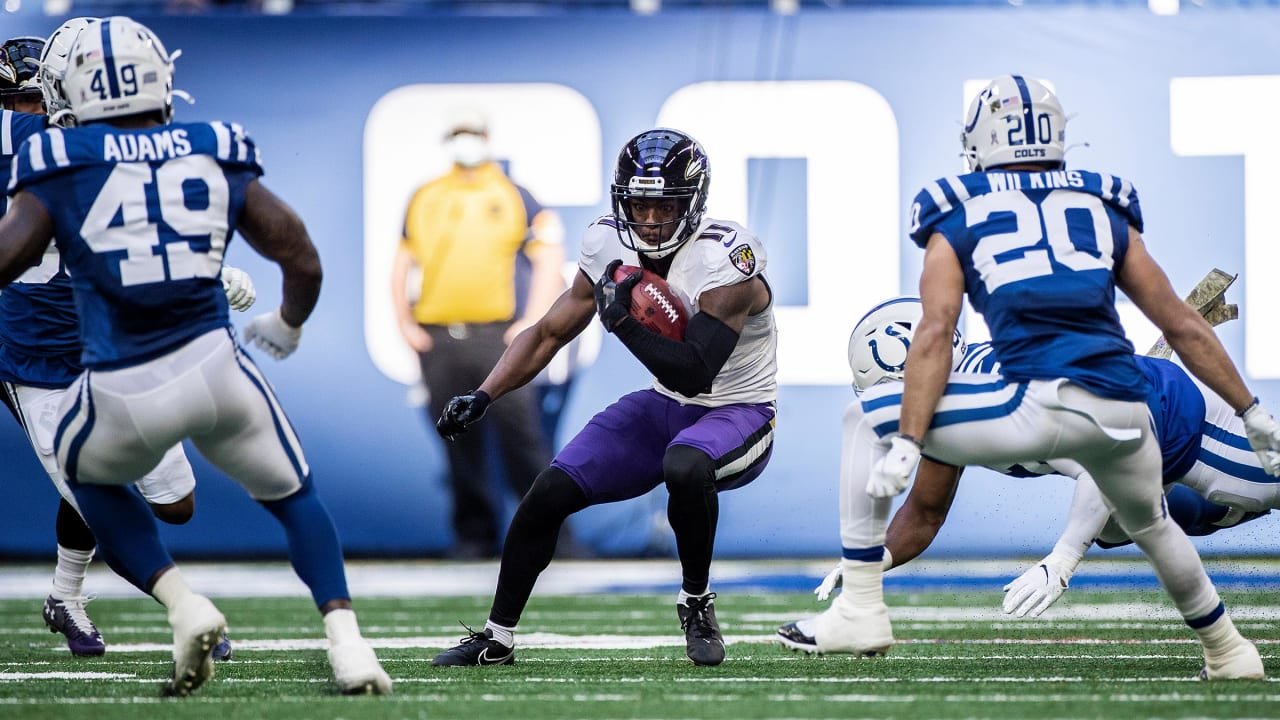
The Indianapolis Colts vs Baltimore Ravens match player stats reveal a detailed story of strategy, execution, and individual brilliance from one of the most physically demanding NFL matchups. Whenever the Colts and Ravens meet, the contest often turns into a battle between disciplined defense, quarterback versatility, and situational efficiency. This article provides a fully unique and in-depth breakdown of player statistics, examining how offense, defense, and special teams shaped the outcome and what these numbers tell us about both teams moving forward.
Game Overview and Competitive Context
The Colts vs Ravens matchup carried significant importance, not just in terms of standings but also as a measuring stick for roster depth and coaching decisions. The Ravens entered the game emphasizing defensive pressure and quarterback mobility, while the Colts focused on balance, ball control, and structured offensive drives. The match player stats reflect this contrast clearly, with each team attempting to impose its identity from the opening kickoff.
Quarterback Performance and Passing Statistics
Quarterback play stood at the center of the Indianapolis Colts vs Baltimore Ravens match player stats. The Colts’ quarterback delivered a composed performance, prioritizing accuracy and timing over high-risk throws. Completion percentage remained strong, especially on intermediate routes, while passing yards accumulated steadily through sustained drives. Touchdown passes in critical moments highlighted red-zone composure, and interception avoidance played a key role in maintaining momentum.
On the Ravens’ side, the quarterback showcased dynamic versatility, combining passing efficiency with scrambling ability. While total passing attempts were slightly lower, yards per attempt remained competitive. His ability to extend plays resulted in several crucial completions under pressure. Sack and pressure stats reveal how often he was forced to improvise, underscoring the constant chess match between quarterback instincts and defensive discipline.
Rushing Attack and Ground Game Efficiency
Rushing performance was a defining factor in the Indianapolis Colts vs Baltimore Ravens match player stats. The Colts’ running backs delivered consistent production, averaging solid yards per carry and excelling on early downs. Their rushing yard totals reflect patience behind the offensive line, with effective cutbacks and physical finishes. Short-yardage efficiency helped sustain drives and control time of possession.
The Ravens’ ground game, traditionally a major strength, again proved impactful. Designed quarterback runs, option plays, and running back carries combined for impressive rushing totals. Explosive runs inflated yards-per-rush metrics, particularly when defensive alignment mistakes occurred. These rushing stats demonstrate how Baltimore leveraged speed and misdirection to stress the Colts’ defensive structure.
Wide Receiver and Tight End Contributions
Receiving stats add another layer to the Indianapolis Colts vs Baltimore Ravens match player stats. The Colts’ wide receivers showed reliable hands and disciplined route running, spreading targets across multiple players. Yards after catch were notable, indicating effective spacing and timing. Tight end involvement played a key role on third downs, providing dependable options in traffic.
For the Ravens, receiving production leaned heavily on versatility. Wide receivers contributed deep-threat capabilities, while tight ends dominated the middle of the field. Target share statistics highlight trust in tight ends during critical situations, especially against zone coverage. While overall receiving yards were balanced, situational efficiency set Baltimore apart.
Offensive Line Performance and Protection Metrics
Offensive line play significantly influenced the Colts vs Ravens match player stats. The Colts’ line performed well in pass protection, limiting sacks and allowing the quarterback time to progress through reads. Run-blocking grades were equally strong, opening lanes and maintaining consistency throughout the game. Penalty discipline further reflects cohesion and preparation.
The Ravens’ offensive line faced a more complex challenge due to the quarterback’s extended plays. While sack totals were moderate, pressure rates reveal consistent defensive pursuit. Adjustments in the second half improved protection, as reflected in cleaner pockets and increased rushing efficiency.
Defensive Standouts and Tackling Efficiency
Defense played a pivotal role in shaping the Indianapolis Colts vs Baltimore Ravens match player stats. The Colts’ defense excelled in tackling efficiency, limiting yards after contact and forcing long-yardage situations. Linebackers led the team in tackles, while defensive backs contributed pass breakups and tight coverage.
Baltimore’s defense responded with trademark aggression. Sack totals and quarterback hits highlight a relentless pass rush, while tackles for loss disrupted the Colts’ rhythm. Interception and forced fumble stats emphasize opportunistic play, particularly in high-pressure moments. These defensive numbers underline the Ravens’ ability to shift momentum through intensity and execution.
Turnovers and Momentum-Shifting Plays
Turnovers often define close NFL games, and the Colts vs Ravens matchup was no exception. The Indianapolis Colts vs Baltimore Ravens match player stats show how takeaways influenced field position and scoring chances. The Colts capitalized on a key defensive stop that halted a promising drive, while ball security on offense minimized self-inflicted damage.
The Ravens generated momentum through defensive pressure, forcing hurried throws and capitalizing on mistakes. Turnover differential played a decisive role, reinforcing the importance of discipline and situational awareness on both sides.
Special Teams Impact and Field Position
Special teams performance is an essential yet often understated component of match player stats. The Colts’ kicker delivered reliable accuracy, converting field goals and extra points consistently. Punt coverage units limited return yards, contributing to favorable field position.
The Ravens’ special teams unit showcased strength in return efficiency, generating advantageous starting positions on multiple drives. Punting averages and hang time stats further highlight how special teams execution affected overall game flow.
Third-Down and Red-Zone Efficiency
Situational stats provide deeper insight into the Indianapolis Colts vs Baltimore Ravens match player stats. The Colts performed well on third down, converting at a respectable rate through balanced play-calling. Red-zone efficiency remained strong, with touchdowns on a majority of opportunities.
Baltimore’s third-down conversion rate reflected adaptability, particularly through quarterback mobility and tight end usage. Red-zone defense, however, showed mixed results, allowing critical scores that influenced the final outcome. These situational metrics often separate winning teams from narrowly defeated ones.
Time of Possession and Drive Sustainability
Time of possession stats reveal contrasting offensive philosophies. The Colts maintained longer drives, emphasizing control and consistency. Average plays per drive and drive length stats illustrate methodical execution.
The Ravens, while possessing the ball slightly less, maximized explosive plays. Quick-strike scoring drives balanced the possession gap and kept pressure on the Colts’ defense. These stats demonstrate how efficiency can rival volume in determining success.
Advanced Metrics and Player Efficiency Ratings
Advanced analytics enrich the Indianapolis Colts vs Baltimore Ravens match player stats. Quarterback efficiency ratings, yards per attempt, and expected points added highlight contrasting styles. The Colts excelled in overall efficiency, while the Ravens ranked higher in explosive play metrics.
Defensive efficiency ratings further illustrate strengths: Indianapolis performed well on early downs, while Baltimore excelled in pressure rate and blitz success. These advanced numbers provide deeper context beyond the box score.
Coaching Decisions Reflected in Statistics
Coaching influence is evident throughout the statistical breakdown. The Colts’ balanced approach resulted in evenly distributed offensive stats and controlled risk. Defensive adjustments limited big plays in the second half.
Baltimore’s coaching staff emphasized aggression, reflected in blitz frequency and fourth-down decisions. While this approach generated defensive success, it also introduced variability. Coaching philosophy remains a subtle yet powerful force shaping player stats.
Comparison to Season Averages
Comparing match stats to season averages reveals notable trends. Several Colts players exceeded typical efficiency metrics, indicating favorable matchups. Ravens players showed consistency with season-long performance, particularly in rushing and defensive pressure categories.
These deviations highlight how specific opponents can amplify or suppress individual strengths, offering valuable insights for future game planning.
Key Individual Matchups and Head-to-Head Statistical Impact
A deeper look at the Indianapolis Colts vs Baltimore Ravens match player stats reveals how individual matchups shaped efficiency across the field. The Colts’ primary wide receiver benefited from one-on-one coverage early, reflected in higher catch rate and yards per target. Once the Ravens adjusted with bracket coverage, his target volume decreased, but this opened opportunities for secondary receivers. On defense, the Colts’ linebackers matched up effectively against Baltimore’s tight ends in short-yardage situations, limiting yards after catch and reducing third-down efficiency.
Baltimore’s quarterback-versus-edge-rusher matchup was another defining statistical theme. Pressure rate increased noticeably when the Colts rotated fresh pass rushers, forcing quicker throws and scrambles. These head-to-head stats highlight how coaching adjustments and personnel groupings directly influence production beyond raw totals.
Second-Half Adjustments and Statistical Shifts
Second-half splits provide important context to the Indianapolis Colts vs Baltimore Ravens match player stats. The Colts improved defensive efficiency after halftime, allowing fewer yards per play and tightening coverage in the intermediate passing zones. Offensive play selection shifted toward quick passes and controlled runs, which reduced negative plays and improved time-of-possession metrics.
The Ravens countered by increasing motion and misdirection, resulting in a higher yards-per-rush average in the third quarter. Passing attempts decreased slightly, but play-action efficiency rose, as reflected in completion percentage and explosive gains. These shifts demonstrate how halftime adjustments can redefine statistical trends.
Penalty Impact and Discipline Metrics
Penalty statistics often fly under the radar but significantly affect match outcomes. In the Indianapolis Colts vs Baltimore Ravens match player stats, the Colts maintained strong discipline, committing fewer penalties and minimizing lost yardage. This consistency supported sustained drives and defensive stability.
The Ravens, while aggressive, accumulated more penalties, particularly on defensive pass interference and offside calls. Penalty-per-snap ratios show how this aggressiveness occasionally disrupted momentum and extended Colts possessions. Discipline metrics remain a key differentiator in closely contested NFL games.
Red-Zone Defensive Execution
Red-zone defense was a decisive statistical category. The Colts’ red-zone stop rate improved in the second half, forcing the Ravens to settle for field-goal attempts rather than touchdowns. Defensive alignment and communication contributed to tighter coverage windows and reduced rushing efficiency near the goal line.
Baltimore’s red-zone defense showed flashes of dominance but struggled against balanced play-calling. Touchdown-to-field-goal ratios highlight how execution in confined spaces can drastically alter scoring outcomes and final margins.
Overall Team Comparison and Statistical Summary
When viewed collectively, the Indianapolis Colts vs Baltimore Ravens match player stats paint a picture of two evenly matched teams with distinct identities. The Colts held advantages in ball control, efficiency, and discipline. The Ravens excelled in explosiveness, defensive pressure, and versatility.
These contrasting statistical profiles emphasize that success in the NFL often depends on execution across multiple dimensions rather than dominance in a single area.
Conclusion
The Indianapolis Colts vs Baltimore Ravens match player stats provide a comprehensive narrative of a hard-fought NFL contest defined by strategy, resilience, and individual performance. The Colts demonstrated balance and control, while the Ravens showcased aggression and adaptability. Beyond the final score, these statistics offer valuable insights into team strengths, areas for improvement, and the tactical nuances that shape outcomes at the highest level of professional football.
