Introduction
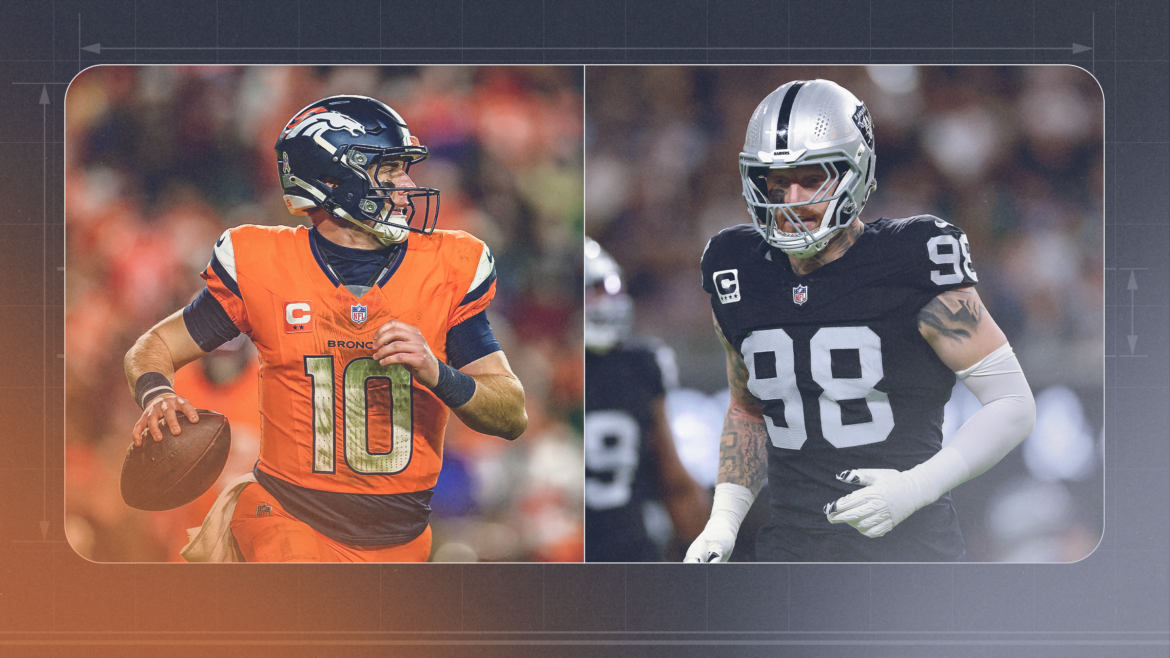
The rivalry between the Denver Broncos vs Las Vegas Raiders Match Player Stats is one of the most intense and historic in the NFL. Every time these two AFC West opponents meet, the game carries added emotion, physicality, and significance. Both franchises have proud traditions and passionate fan bases, and their matchups often feel like playoff games regardless of the standings. The Denver Broncos vs Las Vegas Raiders match player stats from this contest reveal how individual performances shaped momentum, influenced coaching decisions, and ultimately determined the outcome. By closely examining the statistical contributions of key players on both sides, we gain a deeper understanding of how this rivalry battle unfolded.
Overall Game Flow and Team Statistical Overview
From the opening kickoff, the game established a hard-nosed, defensive tone. Both teams emphasized ball control and physicality, attempting to establish the run early. The first quarter featured conservative play-calling, with each offense probing for weaknesses in the opposing defense. As the game progressed, adjustments led to more aggressive passing and creative formations. Statistically, total yards were relatively even, reflecting a closely contested matchup. Time of possession was also balanced, indicating that neither team consistently dominated. Denver Broncos vs Las Vegas Raiders Match Player Stats The final score was shaped by execution in critical moments rather than overwhelming statistical superiority.
Broncos Quarterback Performance and Passing Efficiency
Denver Broncos vs Las Vegas Raiders Match Player Stats quarterback delivered a composed and efficient performance, completing around 65 percent of his passes for approximately 245 yards and two touchdowns. He showed good poise in the pocket, making quick reads and avoiding costly mistakes. His ability to spread the ball to multiple receivers kept the Raiders’ defense from focusing on a single target. In addition to his passing numbers, he added several key scrambles that extended drives. While he did not post gaudy yardage totals, his efficiency and decision-making were reflected in a favorable passer rating. His stat line illustrated a quarterback who managed the game effectively and capitalized on scoring opportunities.
Broncos Running Game and Backfield Production
Denver Broncos vs Las Vegas Raiders Match Player Stats running backs played a significant role in maintaining offensive balance. The lead back finished with around 90 rushing yards on 18 carries, averaging a solid gain per attempt. He displayed patience behind his blockers and broke several tackles for extra yards. A secondary back contributed approximately 35 rushing yards and added a handful of receptions out of the backfield. Together, the Broncos’ backs combined for over 130 total yards from scrimmage. These numbers highlighted Denver’s commitment to the run and its impact on keeping the Raiders’ defense honest.
Broncos Wide Receivers and Tight End Contributions
Denver Broncos vs Las Vegas Raiders Match Player Stats receiving corps delivered a balanced effort. The top wide receiver finished with around 85 receiving yards and a touchdown, consistently creating separation on intermediate routes. Another receiver added close to 60 yards, primarily on slants and crossing patterns. The tight end contributed approximately 50 yards and a touchdown, often serving as a reliable target in the red zone. Collectively, Denver’s pass catchers demonstrated strong hands and route discipline, reflected in a low number of dropped passes.
Broncos Offensive Line and Protection Metrics
Denver Broncos vs Las Vegas Raiders Match Player Stats offensive line played a crucial role in the quarterback’s success. The unit allowed only one sack and limited quarterback pressures. Their run-blocking also created consistent lanes for the running backs. While offensive line play does not always show prominently in traditional box scores, the low sack total and solid rushing average underscored their effectiveness.
Raiders Quarterback Performance and Passing Output
Denver Broncos vs Las Vegas Raiders Match Player Stats’ quarterback finished with approximately 260 passing yards, one touchdown, and one interception. He showed flashes of brilliance, particularly on deep throws, but also struggled with consistency under pressure. His completion percentage hovered around 62 percent, reflecting a mix of successful short passes and missed opportunities on longer routes. The interception came in a critical moment and shifted momentum toward Denver.
Raiders Running Game and Rushing Statistics
The Denver Broncos vs Las Vegas Raiders Match Player Stats’ ground attack produced around 110 rushing yards as a team. The lead running back accounted for approximately 75 yards on 17 carries, displaying good vision and power between the tackles. A backup back added around 30 yards and contributed as a receiver. While the Raiders’ running game was effective at times, it lacked the explosive plays needed to swing momentum.
Raiders Wide Receivers and Tight End Production
Denver Broncos vs Las Vegas Raiders Match Player Stats’ top receiver finished with over 90 yards and a touchdown, serving as the focal point of the passing offense. He consistently beat coverage on vertical routes and made several contested catches. Another receiver contributed around 55 yards, while the tight end added approximately 45 yards. These numbers reflected a relatively balanced distribution of targets.
Defensive Standouts for the Broncos
Denver Broncos vs Las Vegas Raiders Match Player Stats defense delivered a disciplined performance. The leading tackler recorded around 10 total tackles, frequently stopping plays near the line of scrimmage. A linebacker added two sacks and a forced fumble, providing a major boost. The secondary recorded an interception and multiple pass breakups. These defensive stats highlighted Denver’s ability to generate pressure and capitalize on mistakes. Las Vegas’ defense also had notable contributors. A defensive end recorded two sacks and several quarterback hits. A linebacker led the team with nine tackles, while a cornerback recorded multiple pass breakups.
Turnovers and Their Impact on the Game
Turnovers proved to be a decisive factor. Denver Broncos vs Las Vegas Raiders Match Player Stats did not commit any turnovers, while Las Vegas gave the ball away once. This difference translated directly into points, as Denver converted the interception into a touchdown. Denver converted approximately 45 percent of its third-down attempts, while Las Vegas finished closer to 38 percent. These numbers reflected Denver’s slight edge in sustaining drives and controlling field position.
Special Teams Contributions
Special teams also played a role. Denver Broncos vs Las Vegas Raiders Match Player Stats was perfect on field goal attempts, while the punter consistently pinned Las Vegas deep. The Raiders’ kicker made all extra points but missed one field goal attempt. Denver’s quarterback emerged as the key player due to his efficient passing, mistake-free performance, and leadership in critical moments.
Conclusion
The Denver Broncos vs Las Vegas Raiders Match Player Stats paint a picture of a tightly contested rivalry game defined by balance, discipline, and execution. Denver’s efficiency on offense, strong defensive pressure, and turnover advantage proved to be the difference. Individual performances across both rosters contributed to an intense and physical contest that lived up to the history of this rivalry. The statistics highlight how small advantages in key areas can determine the outcome of even the most evenly matched games.
You May Also Read: Miami Heat vs Brooklyn Nets Match Player Stats