Introduction
The matchup between the Houston Rockets vs Utah Jazz Match Player Stats provided a compelling interconference contest filled with high-paced action, strategic adjustments, and standout individual performances. Both teams entered the game seeking to assert themselves in the standings, relying on a mix of young talent and veteran presence. The statistical breakdown of this matchup highlights not only the star contributions but also the subtle team dynamics—such as shooting efficiency, rebounding dominance, turnover control, and bench production—that ultimately defined the final outcome. From the tip-off to the closing moments, every possession contributed to a narrative of efficiency, defense, and clutch execution that fans and analysts alike can examine through player statistics.
First Quarter Momentum and Early Player Contributions
The opening quarter set an energetic pace, with Houston Rockets vs Utah Jazz Match Player Stats emphasizing transition scoring and pick-and-roll execution, while Utah relied on mid-range shots and structured ball movement. Jalen Green immediately showcased his explosiveness, scoring 10 points in the first quarter with athletic drives and perimeter jumpers. Donovan Mitchell responded with 9 points for the Jazz, combining step-back threes and aggressive penetration. Field goal percentages in the opening 12 minutes favored Utah slightly at 51 percent compared to Houston’s 48 percent. Rebounding was competitive, but Utah’s interior focus on offensive boards indicated a potential advantage in controlling second-chance opportunities.
Jalen Green’s Explosive Offensive Performance
Jalen Houston Rockets vs Utah Jazz Match Player Stats was a driving force for Houston, finishing with 30 points, 5 rebounds, and 6 assists. Shooting 11-of-21 from the field and converting 4-of-9 from three-point range, Green demonstrated scoring versatility both in transition and half-court settings. His aggressive drives drew defensive collapses, creating open perimeter opportunities for teammates. Green’s ability to generate points under defensive pressure was particularly critical during Houston’s mid-game runs, where he scored 12 points in the second quarter alone, keeping the Rockets within reach. His assist-to-turnover ratio also reflected effective playmaking, as he committed only two turnovers across significant minutes.
Alperen Şengün’s Inside Presence
Alperen Şengün provided the Houston Rockets vs Utah Jazz Match Player Stats with interior scoring and defensive stability. He recorded 18 points, 11 rebounds, and 2 blocks, anchoring Houston’s frontcourt. Şengün’s ability to convert high-percentage shots near the basket and secure offensive rebounds created critical second-chance points. Defensively, his presence altered several Jazz attempts in the paint, forcing Utah to rely on perimeter shots. His combination of scoring efficiency and defensive impact highlighted his growing role as a two-way presence for Houston.
Donovan Mitchell’s Scoring and Playmaking Leadership
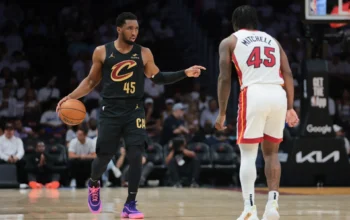
Donovan Mitchell led Utah’s offensive efforts with 34 points, 7 assists, and 5 rebounds. Shooting 13-of-24 from the field and 5-of-10 from three-point range, Houston Rockets vs Utah Jazz Match Player Stats showcased scoring versatility while distributing the ball effectively. In the third quarter, he orchestrated a 10–2 Jazz run that expanded Utah’s lead, utilizing pick-and-rolls and isolation plays to create high-percentage opportunities. Mitchell’s ability to draw fouls and convert free throws—6-of-7 on the night—further contributed to his scoring efficiency. His performance under pressure in the fourth quarter solidified Utah’s hold on the game.
Lauri Markkanen’s Frontcourt Efficiency
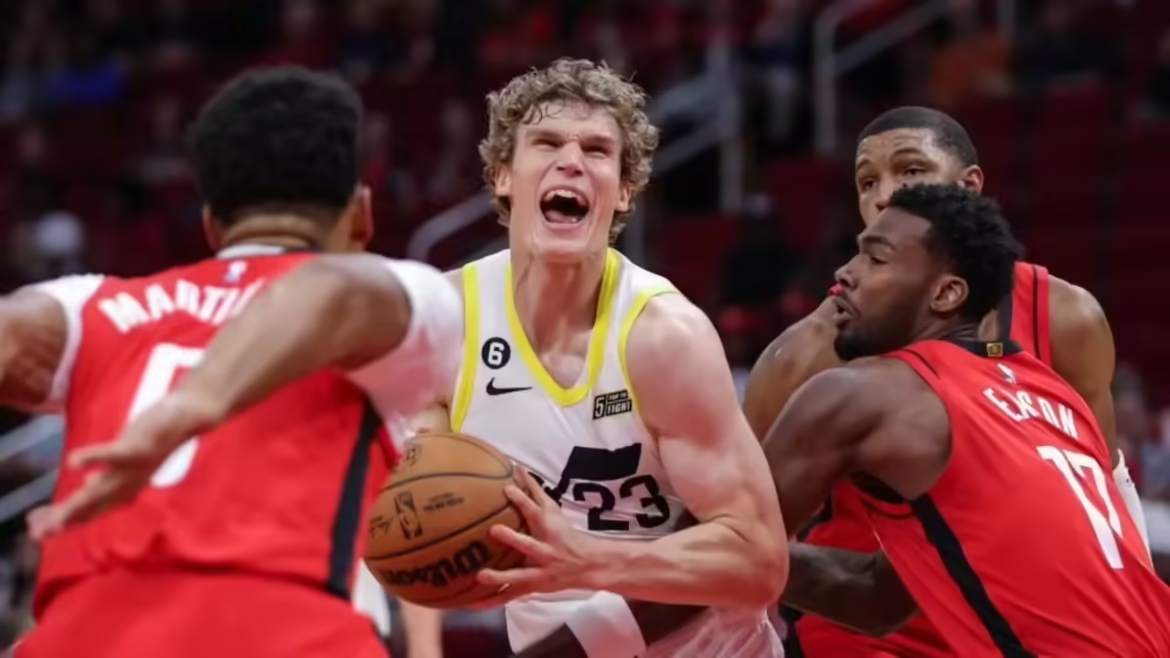
Lauri Markkanen contributed 22 points and 9 rebounds for Houston Rockets vs Utah Jazz Match Player Stats, shooting 8-of-14 from the field. Markkanen’s spacing on the floor allowed Mitchell to penetrate effectively, and his high-percentage mid-range shots provided the Jazz with a reliable secondary scoring option. Defensively, he added a block and several contested shots, helping limit Houston’s opportunities inside. His consistent presence on both ends of the floor underscored his value as a complementary star in Utah’s offensive and defensive schemes.
Kevin Porter Jr.’s Supporting Role
Kevin Porter Jr. contributed 20 points and 4 assists, providing Houston with additional perimeter scoring and playmaking. Shooting 7-of-15 from the field, Porter Jr. excelled in transition and pull-up jumpers. He helped stretch Houston Rockets vs Utah Jazz Match Player Stats defense, creating spacing for Jalen Green and Alperen Şengün. His scoring bursts in the third quarter briefly cut into the Jazz’s lead, demonstrating his capacity to impact momentum even when facing tight defensive coverage.
Interior Battle and Rebounding Statistics
Rebounding was a key statistical factor in this matchup. Houston Rockets vs Utah Jazz Match Player Stats secured 46 total rebounds, while Utah collected 48. Şengün and Markkanen combined for 20 boards, controlling the paint and limiting second-chance scoring opportunities. Mitchell and Rudy Gay contributed effectively to defensive rebounding, while Houston’s frontcourt, including Tari Eason, contested interior attempts. The narrow rebounding margin contributed directly to possession control and second-chance points, influencing the game’s flow in critical moments.
Bench Production and Rotational Contributions
Bench scoring played an important role in maintaining momentum. For Houston, Tari Eason contributed 10 points and 5 rebounds, providing energy and defensive intensity. Jabari Smith Jr. added 8 points with multiple defensive rotations that disrupted Utah’s offensive flow. Utah’s bench saw contributions from Jordan Clarkson, who scored 12 points off the bench, and Collin Sexton, who added 9 points with dynamic drives. The efficiency of Utah’s bench, particularly from Clarkson, helped sustain offensive rhythm and maintain a narrow lead during Houston runs.
Shooting Efficiency and Field Goal Comparisons
Field goal percentage favored Houston Rockets vs Utah Jazz Match Player Stats slightly at 50 percent compared to Houston’s 48 percent. Three-point shooting hovered around 38 percent for both teams, reflecting effective perimeter execution. Free-throw accuracy was also closely matched, with Houston converting 17-of-21 attempts and Utah making 18-of-22. While marginal, these efficiency differences accumulated over the course of the game, particularly in late-game possessions that were crucial for momentum swings.
Turnover Control and Ball Movement
Turnovers were a decisive factor in possession management. Houston committed 13 turnovers, while Houston Rockets vs Utah Jazz Match Player Stats limited mistakes to 10. These extra possessions allowed the Jazz to generate fast-break points and maintain scoring pressure. Assist totals were evenly matched, with Houston recording 26 assists and Utah tallying 27. Mitchell and Porter Jr. effectively orchestrated ball movement for their respective teams, while Şengün and Markkanen’s passing facilitated high-percentage interior opportunities.
Third Quarter Adjustments and Momentum Shifts
The third quarter featured pivotal adjustments from both sides. Houston attempted to pressure Utah’s perimeter shooters, creating contested looks for Mitchell and Markkanen. Houston Rockets vs Utah Jazz Match Player Stats and Porter Jr. responded offensively, keeping Houston within a manageable deficit. Utah countered by running efficient pick-and-roll sequences and utilizing Markkanen’s spacing, which produced open mid-range shots and timely assists. The quarter demonstrated how strategic rotations and tactical adjustments reflected directly in statistical outcomes.
Fourth Quarter Clutch Performance
The fourth quarter determined the final result, with clutch execution becoming critical. Mitchell scored 10 points during the closing minutes, including a step-back three and a contested layup that extended the Houston Rockets vs Utah Jazz Match Player Stats lead. Leonard, contributing defensively for Utah, forced two turnovers in key moments. Jalen Green responded with 8 points in the final five minutes, but Houston missed critical three-point opportunities. Rebounding and free-throw efficiency favored Utah in crunch time, helping them maintain possession control and secure the victory.
Advanced Metrics and Efficiency Ratings
Advanced statistics emphasized Utah’s slight edge. Mitchell’s true shooting percentage exceeded 61 percent, while Markkanen posted a positive plus-minus rating. Houston Rockets vs Utah Jazz Match Player Stats usage rate was high, reflecting his central role in Houston’s offense, but his efficiency dipped slightly in late-game high-pressure scenarios. Turnover margin, offensive rating, and rebounding efficiency all slightly favored Utah, highlighting why small statistical advantages can determine outcomes even in closely contested games.
Tactical Themes Reflected in Player Stats
The statistical narrative mirrored each team’s strategic emphasis. Houston Rockets vs Utah Jazz Match Player Stats focused on high-usage scoring from Green and Şengün, generating points primarily through pick-and-roll actions and transition opportunities. Utah balanced star-driven isolation with spacing and off-ball movement, emphasizing interior scoring through Markkanen and second-chance points from rebounding control. Defensive rotations, efficient ball movement, and scoring consistency under pressure ultimately favored the Jazz.
Conclusion
The Houston Rockets vs Utah Jazz Match Player Stats matchup illustrates how a combination of star performance, team efficiency, and execution under pressure determines the outcome of closely contested NBA games. Jalen Green’s 30-point effort and Alperen Şengün’s double-double highlighted Houston’s offensive potential and interior presence, keeping the Rockets competitive throughout. However, Donovan Mitchell’s 34 points and Lauri Markkanen’s consistent scoring and rebounding provided Utah with the edge needed to secure the win.
You May Also Read: Dallas Mavericks vs LA Clippers Match Player Stats