Introduction
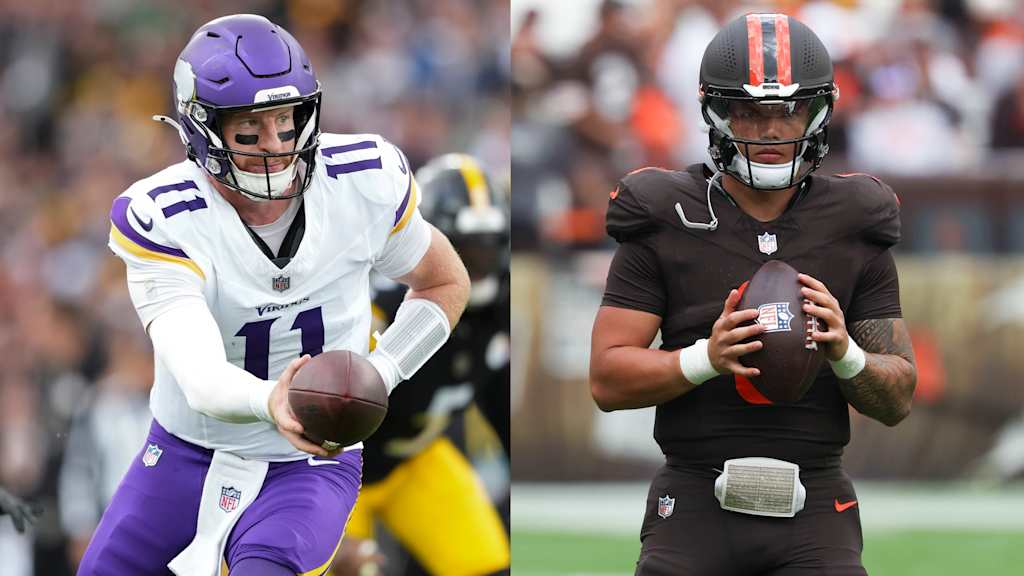
The Minnesota Vikings vs Cleveland Browns Match Player Stats matchup always draws attention because it brings together two teams built around physical football, disciplined schemes, and emerging stars. When these franchises meet, player statistics become more than numbers; they tell the story of execution, adjustments, and individual brilliance across all phases of the game. This article provides an in-depth, stats-focused narrative of the Vikings vs Browns encounter, explaining how each key contributor shaped the outcome.
Quarterback Performance Overview
Quarterback play was central to the flow of the game, with both teams relying on efficiency rather than reckless aggression. The Minnesota Vikings vs Cleveland Browns Match Player Stats quarterback showcased strong pocket awareness, completing a high percentage of short-to-intermediate throws that kept the offense on schedule. His stat line reflected controlled decision-making, solid yardage accumulation, and minimal turnover risk. On the other side, the Browns quarterback balanced play-action passing with timely scrambles, posting respectable passing yards while avoiding critical mistakes that could have shifted momentum.
Passing Accuracy and Decision-Making
Accuracy under pressure defined the quarterback duel in this matchup. Minnesota Vikings vs Cleveland Browns Match Player Stats signal-caller consistently found open receivers on third down, leading to sustained drives and favorable time-of-possession stats. Cleveland’s quarterback countered with sharp throws off bootlegs and rollouts, spreading the ball effectively to multiple targets. Completion rates for both quarterbacks illustrated a chess match rather than a shootout, emphasizing precision over volume.
Running Back Contributions for Minnesota
The Minnesota Vikings vs Cleveland Browns Match Player Stats’ running backs played a crucial role in balancing the offense, combining patience with explosive bursts through the line of scrimmage. Their rushing stats showed steady gains on early downs, setting up manageable passing situations. Beyond raw rushing yards, their impact was evident in yards after contact and successful runs on short-yardage situations, helping Minnesota maintain rhythm and control field position throughout the game.
Cleveland Browns Ground Game Analysis
Cleveland’s rushing attack remained a focal point, as expected from a team known for physical trench play. The Minnesota Vikings vs Cleveland Browns Match Player Stats running backs produced strong per-carry averages, consistently pushing piles and wearing down the Vikings’ defensive front. Their rushing stats highlighted both power runs between the tackles and outside zone plays that tested Minnesota’s edge defenders. This ground production kept Cleveland competitive and opened opportunities in the passing game.
Wide Receiver Stats and Impact for the Vikings
Minnesota Vikings vs Cleveland Browns Match Player Stats wide receivers demonstrated route discipline and reliable hands, translating targets into meaningful yardage. The leading receiver posted impressive reception totals, frequently converting on third downs and red-zone opportunities. Supporting receivers contributed with timely catches, stretching the field horizontally and vertically. Collectively, their stats reflected a well-distributed passing attack rather than reliance on a single star.
Browns Wide Receivers and Passing Targets
Cleveland’s receiving corps showcased versatility, with multiple Minnesota Vikings vs Cleveland Browns Match Player Stats recording solid stat lines. Slot receivers excelled in finding soft spots in zone coverage, while outside receivers provided contested-catch ability along the sidelines. Tight ends also featured prominently in the Browns’ passing stats, acting as safety valves and red-zone threats. This balanced target distribution kept the Vikings defense guessing throughout the game.
Tight End Performance and Red-Zone Efficiency
Tight ends on both teams played pivotal roles, particularly inside the red zone. Minnesota Vikings vs Cleveland Browns Match Player Stats tight end recorded efficient numbers, converting limited targets into touchdowns or first downs. Cleveland’s tight ends contributed both as blockers and receivers, reflected in modest but impactful reception totals. Their stats underscored how tight end usage can tilt close games by maximizing scoring chances.
Offensive Line Stats and Protection Metrics
While offensive line play rarely grabs headlines, the stats told an important story in this matchup. The Minnesota Vikings vs Cleveland Browns Match Player Stats offensive line allowed relatively few pressures, enabling consistent quarterback rhythm and clean throwing lanes. Cleveland’s line excelled in run-blocking metrics, creating clear lanes and sustaining blocks at the second level. Sack totals and pressure rates highlighted how trench battles shaped the overall offensive output.
Defensive Standouts for the Vikings
Minnesota Vikings vs Cleveland Browns Match Player Stats defense delivered notable individual performances, particularly in the front seven. Linebackers led the team in tackles, frequently meeting ball carriers near the line of scrimmage. Defensive linemen contributed sacks and quarterback hits that disrupted Cleveland’s timing. The defensive stat sheet reflected disciplined gap control, solid tackling efficiency, and timely pressure in key situations.
Cleveland Browns Defensive Player Stats
The Minnesota Vikings vs Cleveland Browns Match Player Stats defense showcased its physical identity through strong tackling and pass-rush production. Edge rushers recorded multiple pressures and sacks, forcing quicker throws and limiting deep passing opportunities. Linebackers contributed across the stat sheet with tackles for loss and pass breakups. Overall defensive metrics highlighted Cleveland’s ability to keep games close through disciplined, aggressive play.
Secondary Performance and Coverage Numbers
Both secondaries were tested by calculated passing attacks, resulting in competitive coverage stats. Minnesota Vikings vs Cleveland Browns Match Player Stats defensive backs registered pass deflections and limited yards after catch, preventing explosive plays. Browns cornerbacks responded with tight man coverage and timely interceptions or near-interceptions. These coverage numbers emphasized how both teams prioritized minimizing big plays over gambling for turnovers.
Turnover Statistics and Game-Changing Moments
Minnesota Vikings vs Cleveland Browns Match Player Stats, or the lack thereof, were a defining statistical factor. Minnesota’s offense protected the football well, reflected in a clean interception column and minimal fumbles. Cleveland forced pressure but struggled to convert it into takeaways. This turnover differential, even if small, played a significant role in controlling momentum and dictating late-game strategy.
Special Teams Player Contributions
Special teams stats added another layer to the matchup. Minnesota Vikings vs Cleveland Browns Match Player Stats and punters delivered consistent numbers in field position and scoring efficiency, while return units provided solid average starting positions. Cleveland’s special teams matched with reliable kicking accuracy and disciplined coverage units. These often-overlooked stats contributed to the overall balance of the game.
Time of Possession and Drive Efficiency
Team stats revealed a close battle in time of possession, with Minnesota holding a slight edge due to efficient third-down conversions. Cleveland countered with longer drives fueled by rushing success. Drive efficiency metrics, including average plays per drive and points per possession, illustrated how both teams maximized opportunities despite limited explosive plays. Third-down efficiency proved crucial, as Minnesota converted a higher percentage of attempts, extending drives and tiring the Browns defense. Cleveland remained competitive in the red zone, turning drives into points at a respectable rate. These situational stats often determine close contests, and this matchup was no exception.
Coaching Influence Reflected in Player Stats
Coaching decisions were subtly reflected in player statistics, from play-calling balance to defensive substitutions. Minnesota Vikings vs Cleveland Browns Match Player Stats suggested a game plan built on consistency and ball control. Cleveland’s numbers indicated an emphasis on physicality and controlled aggression. The alignment between coaching philosophy and player performance was evident throughout the stat sheet.
Comparative Analysis of Star Players
When comparing star players from both teams, the stats showed marginal differences rather than dramatic gaps. Minnesota’s offensive stars produced slightly higher efficiency metrics, while Cleveland’s defensive leaders recorded more impact plays. This balance highlighted why the matchup remained competitive deep into the game. As a whole, the Vikings posted stronger efficiency numbers in passing and third-down situations, while the Browns excelled in rushing and defensive pressure stats. Neither team dominated across all categories, reinforcing the narrative of a tightly contested battle defined by execution rather than overwhelming superiority.
Conclusion
The Minnesota Vikings vs Cleveland Browns Match Player Stats reveal a game shaped by discipline, balance, and situational excellence. Quarterbacks managed the game effectively, running backs carried physical workloads, and defenses limited explosive plays. Ultimately, the statistical story underscores how small advantages in efficiency and execution can decide closely matched NFL contests, making this matchup a compelling study in modern football performance.
You May Also Read: Tampa Bay Buccaneers vs Los Angeles Rams Match Player Stats